


edmontonecumenical.com

Unity in Faith and Service

“That they may all be one, as you, Father, are in me and I in you, that they also may be in us, that the world may believe that you sent me.” – John 17:21

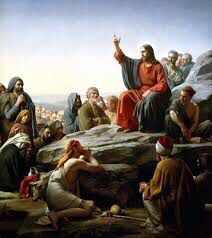
Jesus Gospel

Edmonton Ecumenical Fellowship (EEF) is an organization founded in 2015 on the principle of promoting unity, cooperation, and closer relationships among different Christian denominations to restore the visible unity of the whole Church, rooted in Jesus’ prayer for his followers to be one. It involves dialogue, shared action on social issues, and working towards common goals, acknowledging shared core beliefs while respecting differences, aiming to present a united witness to the world.

EEF is comprised of seven Apostolic Churches of Edmonton and mainly celebrate ecumenical Christmas celebrations annually on December 26th in the city of Edmonton. Also aim to have retreat during great Lenten season and talent fest for the teens and kids of the churches annually.

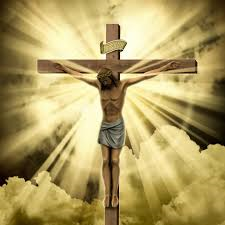
Jesus

Goal

To achieve visible unity among all Christian churches, overcoming historical divisions.

Jesus

Methods

Encouraging dialogue, shared prayer, collaboration on social justice issues and theological discussions. 

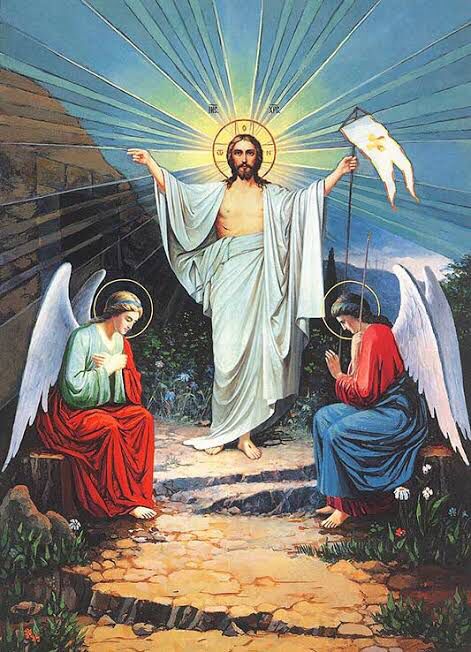
Ressurection

Origin

EEF started in the year 2015 with a mission as a get together of Keralite churches in Edmonton.

Theological Basis

Draws from scripture, especially Jesus’ prayer for unity and the belief that division hinders God’s mission.

Scope

Extends beyond Christian denominations to dialogue with other world religions, seeking common moral and spiritual truths.

Bilateral Dialogues

Discussions between two different traditions (e.g., Catholic-Lutheran).

Interfaith Councils

Organizations like the World Council of Churches promote global cooperation. 

Shared Mission

Working together on issues like peace, justice, and poverty, seeing unity as essential for effective witness.

About Edmonton Ecumenical Fellowship (EEF)

Edmonton Ecumenical Fellowship is the effort, under God, to bring the Christian communities visibly and convincingly into one community.

EEF stands as a beacon of hope in Edmonton, showing that Christ’s prayer for unity is not merely aspirational but achievable through intentional relationship-building, mutual respect, theological humility, and shared commitment to the Gospel mission.

Prayer

Our Mission

Primary Goal: Visible Unity

EEF’s overarching goal is to achieve visible unity among all Christian churches, working to overcome centuries of historical divisions, theological disputes, and cultural separations. This doesn’t mean uniformity, but rather a unity that celebrates diversity while maintaining common witness to the Gospel.

Our Story

Historical Context and Origin

EEF originated in 2015 with a specific mission: to bring together the Keralite Christian churches in Edmonton. What began as a fellowship of churches with shared cultural and linguistic roots from Kerala, India, has evolved into a robust ecumenical movement that demonstrates how unity can be achieved while preserving distinct liturgical and theological traditions. This unique origin story reflects the global nature of Christianity and the immigrant experience in Canada, where faith communities seek both to maintain their heritage and build bridges with others.

Overview and Foundation

The Edmonton Ecumenical Fellowship (EEF) is a dynamic Christian ecumenical organization established in 2015 (with active mission work beginning in 2016) in Edmonton, Alberta. Founded on the fundamental principle of promoting unity, cooperation, and fostering closer relationships among different Christian denominations, EEF serves as a living testament to Jesus Christ’s prayer for his followers “that they may all be one” (John 17:21).

The organization represents a significant effort to restore the visible unity of the whole Church, transcending denominational boundaries while honoring the rich diversity of Christian traditions. EEF embodies the belief that Christian unity is not merely an ideal but a divine mandate that strengthens the Church’s witness to the world.

Methodological Approaches

Dialogue and Communication: Creating safe spaces for honest, respectful conversations about theological differences and commonalities.

Shared Prayer: Recognizing that prayer together is foundational to working together, transcending doctrinal boundaries.

Collaborative Social Action: Partnering on issues of social justice, community service, and moral concerns affecting Edmonton and beyond.

Theological Discussions: Engaging in serious study and conversation about church history, doctrine, and practice to build mutual understanding.

Theological Foundation

EEF’s work is deeply rooted in:

Scripture: Particularly Jesus’ High Priestly Prayer (John 17:20-23) where Christ prays for the unity of all believers.

Ecclesiology: The understanding that division among Christians hinders the Church’s mission and credibility.

Missiology: The conviction that a united Church presents a more compelling witness to the world.

Pneumatology: Trust in the Holy Spirit to guide the Church toward reconciliation and unity.

Broader Ecumenical Vision

While focused on Christian unity, EEF’s scope extends to:

Interfaith Dialogue: Engaging with other world religions to seek common moral and spiritual truths

Bilateral Dialogues: Supporting conversations between specific traditions (e.g., Catholic-Orthodox, Catholic-Lutheran)

Global Connections: Aligning with broader movements like the World Council of Churches

Shared Mission: Collaborating on critical issues including:

  • Peace and reconciliation.
  • Social justice and human dignity.
  • Poverty alleviation.
  • Environmental stewardship.
  • Care for refugees and immigrants.

Significance and Impact

The Edmonton Ecumenical Fellowship represents a microcosm of the global ecumenical movement, demonstrating that:

  • Unity is possible without sacrificing distinctive traditions.
  • Cultural and linguistic commonalities can serve as bridges to deeper theological understanding.
  • Local ecumenical efforts contribute to the universal Church’s healing.
  • The next generation can inherit a less divided Christianity.
  • Shared witness strengthens the Church’s voice in society.

Member Churches

EEF comprises seven Apostolic Churches representing diverse Christian traditions, each with its own rich history, liturgical practices, and theological emphases:

St. Alphonsa Syro-Malabar Catholic Church

An Eastern Catholic Church in full communion with Rome, following the East Syriac liturgical tradition with roots in the ancient Church of the East. 

St. Gregorios Malankara Orthodox Church

Part of the Malankara Orthodox Syrian Church, following the West Syriac tradition and maintaining autocephalous status within Oriental Orthodoxy.

St. Jacob’s Syriac Orthodox Church

Representing the Syriac Orthodox Church of Antioch, one of the oldest Christian denominations with ancient liturgical practices.

St. Mary’s Syro-Malankara Catholic Church

An Eastern Catholic Church in communion with Rome, following the Antiochian liturgical tradition.

St. Theresa’s Roman Catholic Church

Representing the Latin Rite of the Catholic Church, formed by the Malayalees of Edmonton region.

St. Thomas Knanaya Orthodox Church

Representing the Knanaya community, a distinct endogamous group within the Saint Thomas Christian tradition.

Trinity Marthoma Church

Part of the Marthoma Syrian Church, a reformed Oriental Orthodox tradition that emerged from the 19th-century reformation movement in Kerala.

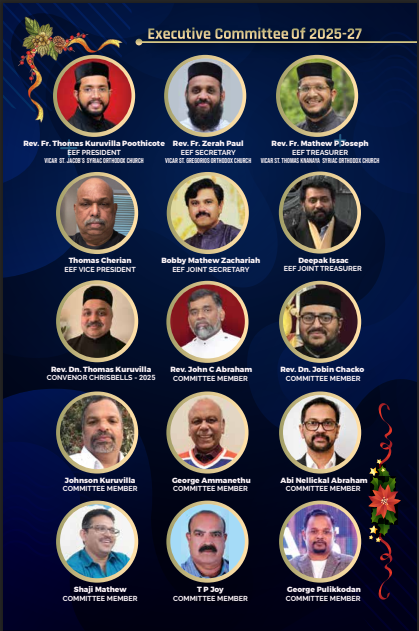
Executive Committee

executive committee

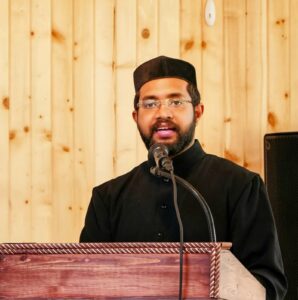
President's Message

Fr Thomas.K.Poothicote 298x300

Edmonton Ecumenical Fellowship (EEF)

From its earliest centuries, the Church has understood unity not as an optional ideal, but as an essential dimension of its life and witness. The concept of oikoumene, the whole inhabited world, expressed the Church’s self-understanding as a communion called to live, discern, and proclaim the Gospel together. This ecclesial vision continues to shape both historic conciliar Christianity and contemporary ecumenical engagement.

In continuity with this understanding, the modern ecumenical movement, articulated through bodies such as the World Council of Churches, speaks of unity as koinonia, a living communion expressed through shared faith, common witness, and service to the world. Ecumenism, in this perspective, seeks visible unity in Christ while affirming the legitimate diversity of traditions, cultures, and ecclesial expressions.

The Edmonton Ecumenical Fellowship stands within this theological and historical continuum. Established in 2015, EEF brings together Keralite Christian Churches in Edmonton whose roots lie in ancient Apostolic traditions. While each member Church maintains its distinct liturgical life, ecclesial identity, and governance, the fellowship provides a common platform for dialogue, cooperation, and visible unity grounded in mutual respect and shared Christian commitment.

In the present Canadian and global context, marked by pluralism, migration, and generational transition, the importance of ecumenical engagement is especially pronounced. For diaspora communities, ecumenism serves both a theological calling and a pastoral responsibility: preserving faith, language, and tradition while engaging meaningfully with the wider society. It also offers a credible Christian witness shaped by reconciliation, collaboration, and shared responsibility.

Through common prayer, ecumenical observances, youth engagement, and community oriented initiatives, the fellowship seeks to embody unity in action. In harmony with the broader ecumenical vision of shared witness and service, EEF places particular emphasis on nurturing the younger generation, ensuring that inherited traditions are received as living expressions of faith within the Canadian context.

As a Keralite ecumenical body, the Edmonton Ecumenical Fellowship remains committed to safeguarding its spiritual and cultural heritage while contributing constructively to the civic and social life of Edmonton. Guided by the conviction that authentic unity strengthens rather than diminishes diversity, EEF continues its journey of discernment and collaboration in faithfulness to Christ and in service to the wider community.

Rev. Fr. Thomas K. Poothicote
President
Edmonton Ecumenical Fellowship

Events

Core Activities and Annual Events

Chris Bells

Ecumenical Christmas Celebrations

The flagship event of EEF is the annual Ecumenical Christmas Celebration held on December 26th in Edmonton. This gathering brings together members from all seven churches for:

Joint worship and prayer services

Celebration of the Nativity with diverse liturgical expressions

Fellowship meals and cultural programs

Shared witness to the community about Christ’s birth

Opportunities for families from different traditions to connect

Great Lenten Retreat

During the holy season of Lent, EEF aims to organize ecumenical retreats that:

  • Provide spiritual renewal and reflection
    Offer shared prayer experiences across traditions.
  • Include theological discussions on the meaning of repentance and resurrection.
  • Foster deeper understanding of different Lenten practices.
  • Strengthen communal preparation for Easter.

Annual Talent Festival for Youth

Recognizing the importance of engaging the next generation, EEF organizes a Talent Fest for teens and children, which:

  • Celebrates the gifts and talents of young people across all member churches.
  • Provides a platform for youth to interact across denominational lines.
  • Builds lasting friendships and understanding among young Christians.
  • Showcases music, arts, drama, and other creative expressions.
  • Nurtures a sense of unity and shared identity in Christ among youth.

Contact Us

If you’d like to connect with us, request information, or share a message, please complete the form below. We look forward to hearing from you.

Name